
Home
 
Students
 
Teaching
 
Publications
 
Contact
Wendy Turner
Postdoctoral Fellow, National Science Foundation
      University of Oslo, Norway and University of Namibia

Postdoctoral Researcher, UC Berkeley, 2009-2011
PhD Ecology, University of California, Berkeley, USA, 2009
MS Zoology, University of the Witwatersrand, South Africa, 2003
BA Biology, Cornell University, USA, 1999

Research

I study wildlife and disease ecology. I focus on environmentally transmitted parasites affecting herbivorous mammals (ungulates) in southern African savannas. The parasites I study are transmitted to hosts through ingestion of infectious stages in the environment along with food or water, including gastrointestinal parasites (nematodes and coccidia) and the anthrax bacterium, Bacillus anthracis. Infection with these parasites is strongly seasonal; a common thread to my research is to study how environmental variation affects the transmission and incidence of parasitism.

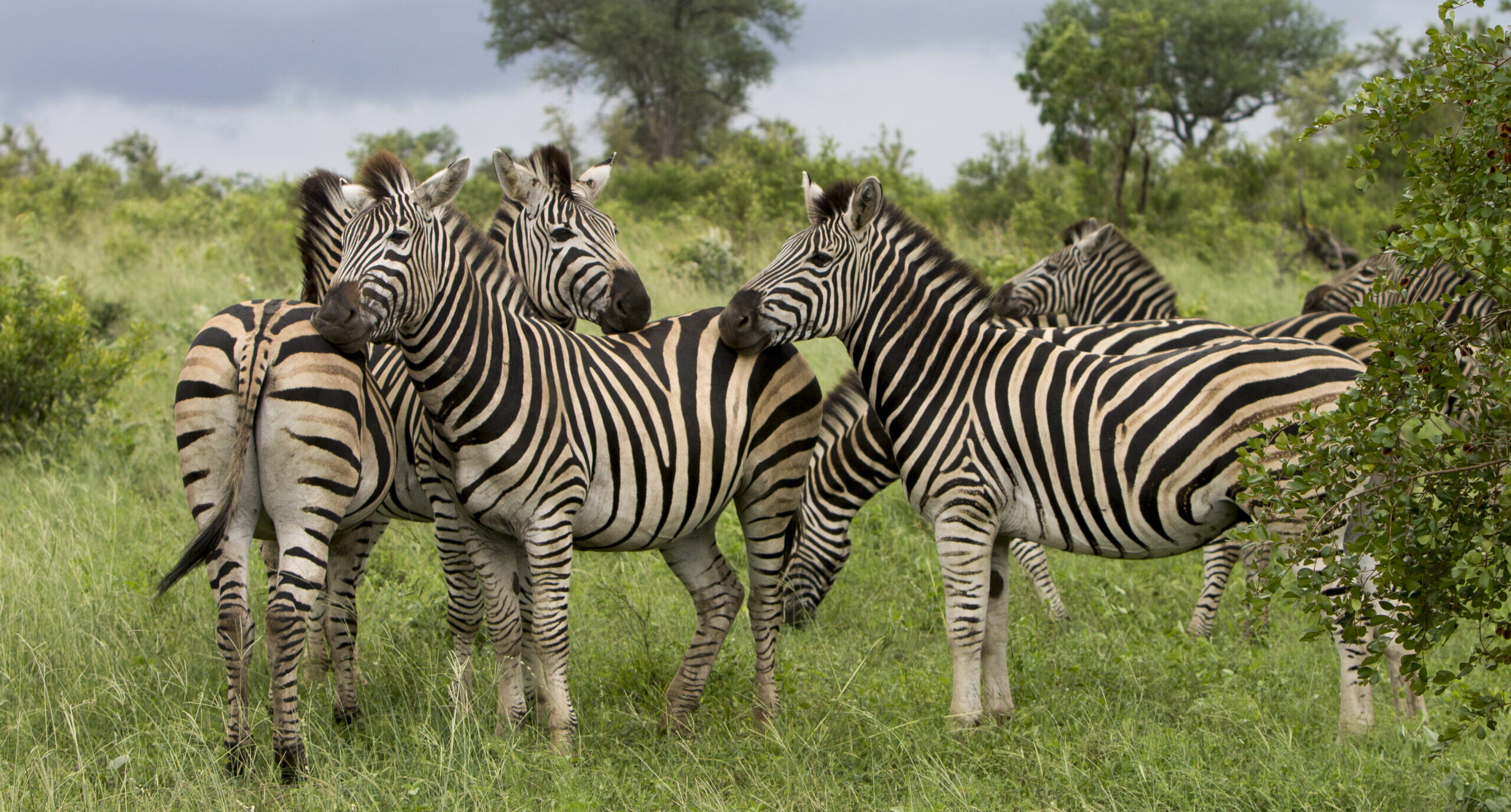
For my postdoctoral research I am studying how B. anthracis is transmitted to grazing hosts, with a focus on plains zebra (Equus quagga) in Etosha National Park, Namibia. For this research I am studying how the concentration of B. anthracis spores on grass leaves varies with rainfall. I'm also using motion triggered cameras at carcass and control sites to monitor herbivory at sites where anthrax carcasses were located. I will use these studies to assess if the seasonality of anthrax incidence in grazing hosts can be predicted based on seasonal changes in exposure to B. anthracis at locally infectious carcass sites.

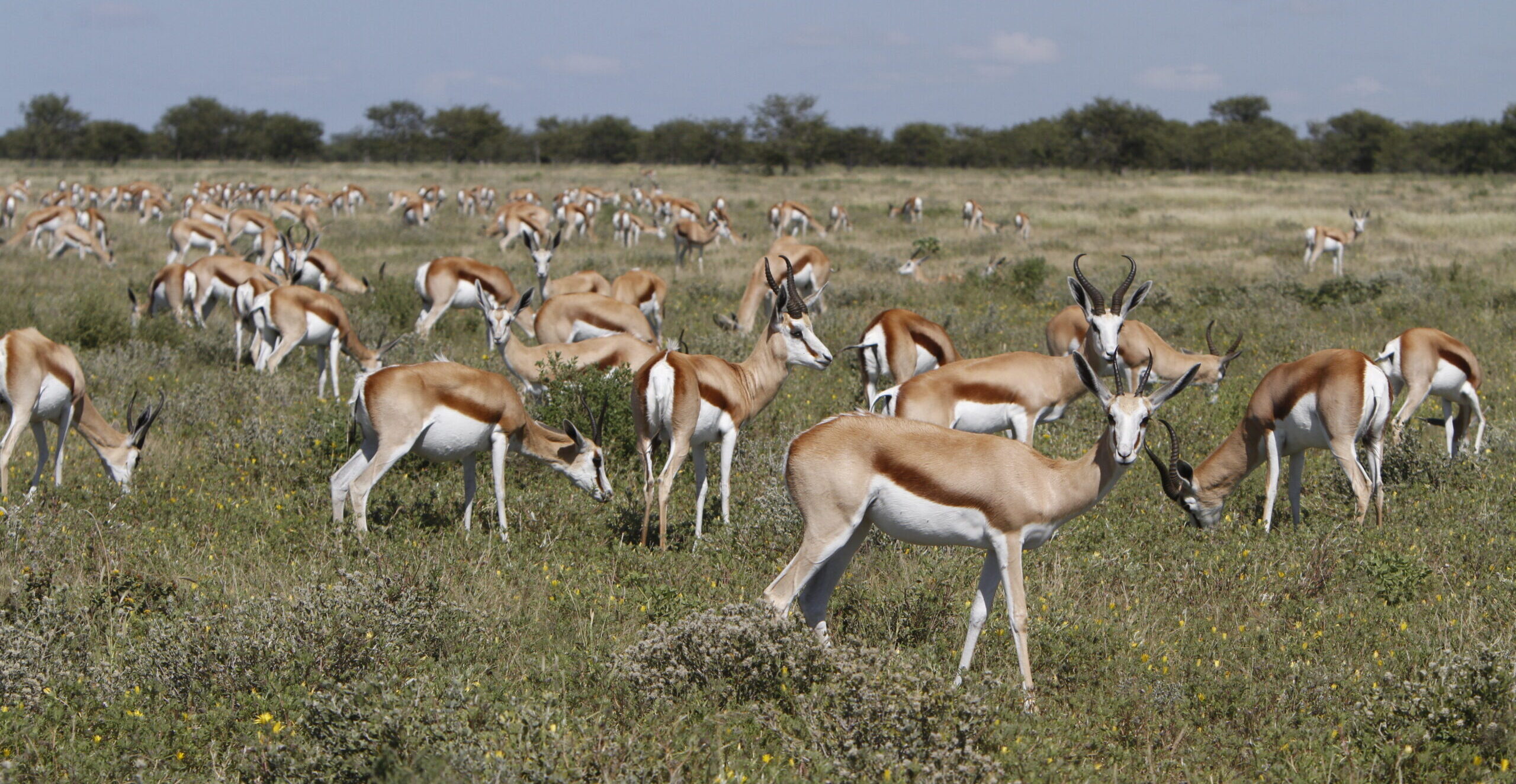
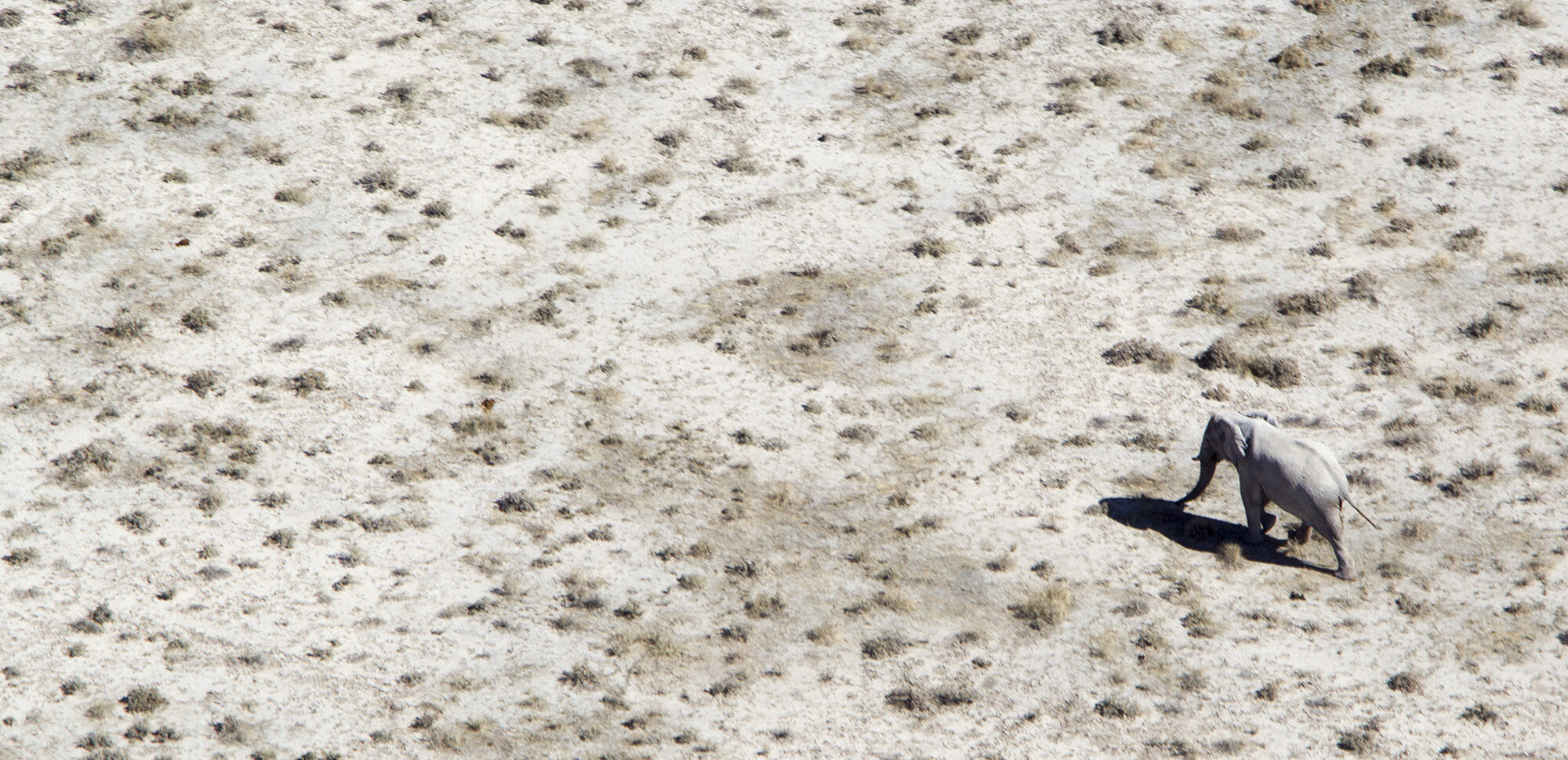
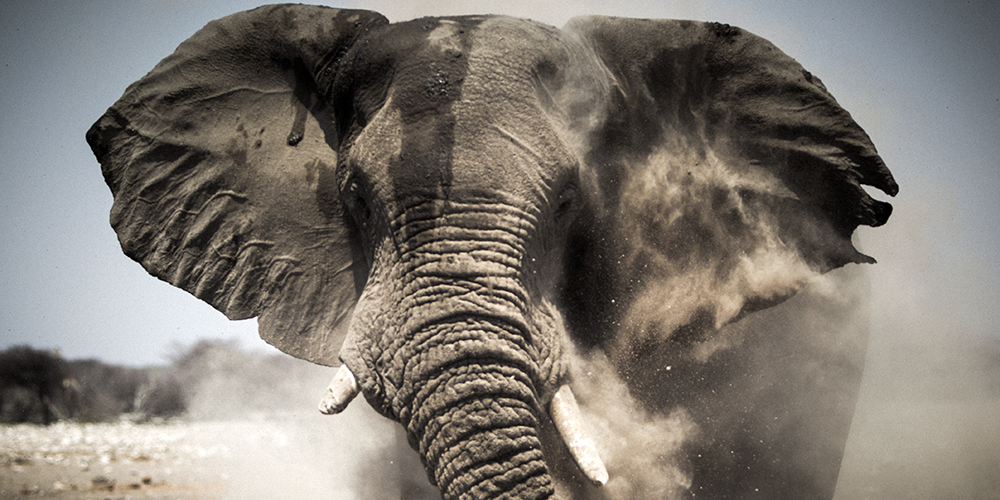
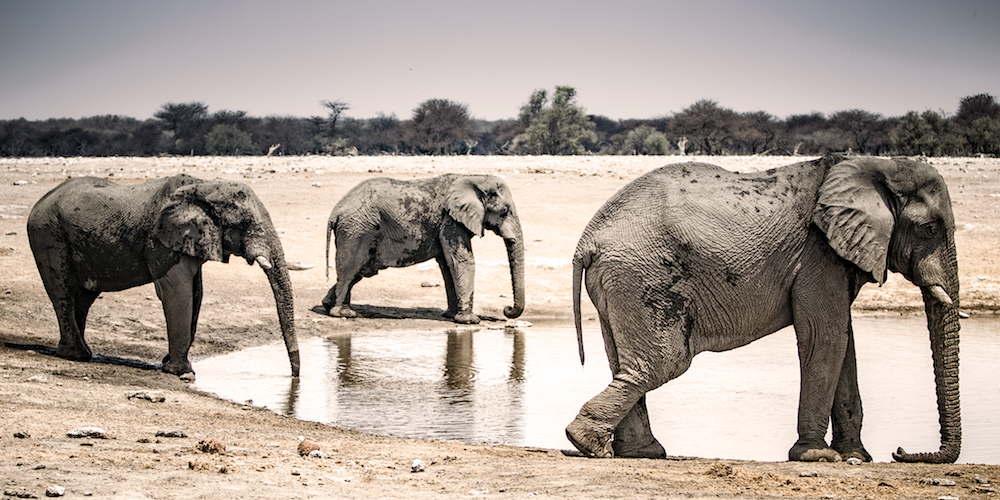
My Ph.D. research was also based in Etosha National Park, where I studied host-parasite relationships in an assemblage of 13 herbivorous mammals (ranging in size from warthogs to elephants) and their gastrointestinal parasites. I examined how host-parasite relationships were modulated by host ecology, parasite interactions and environmental variability.

My Master's research was on the activity patterns of African buffalo in Hluhluwe-iMfolozi Park, South Africa, to understand why males exhibit alternating sexual segregation during the mating season, moving in and out of breeding herds.


A springbok nursing her lamb. Adult female springbok have higher parasitism and poorer condition than males